Shopping Bag Trends 2026 Sustainability
Against the backdrop of the global sustainable wave sweeping through the fashion industry, the handbag market in 2026 is undergoing a profound value reconfiguration. No longer confined to the iteration of styles and functions, sustainability has become the core logic defining trends and driving consumption. From material innovation, process upgrading to the re-branding of brand concepts, it is rewriting the fashion narrative of handbags in all aspects. Data shows that the global handbag market is expected to continue to expand at a compound annual growth rate of 6% to 6.5%, among which the growth rate of eco-friendly material products far exceeds the industry average, becoming a new engine for market growth.
- Material: From Environmental Replacement to Value Enhancement
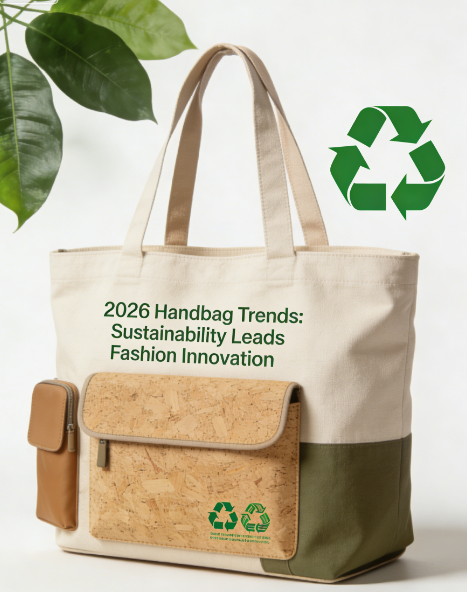
The sustainable transformation of handbags in 2026 begins with a breakthrough innovation in materials. The proportion of traditional leather has continued to decline, dropping from 55% in 2020 to 48%. Instead, a variety of applications of recycled materials, bio-based materials, and natural organic materials have been adopted. Currently, the proportion of environmentally friendly and recyclable materials in handbags has reached 18%, an increase of 10 percentage points compared to five years ago. The pioneering practices of luxury brands are particularly remarkable.
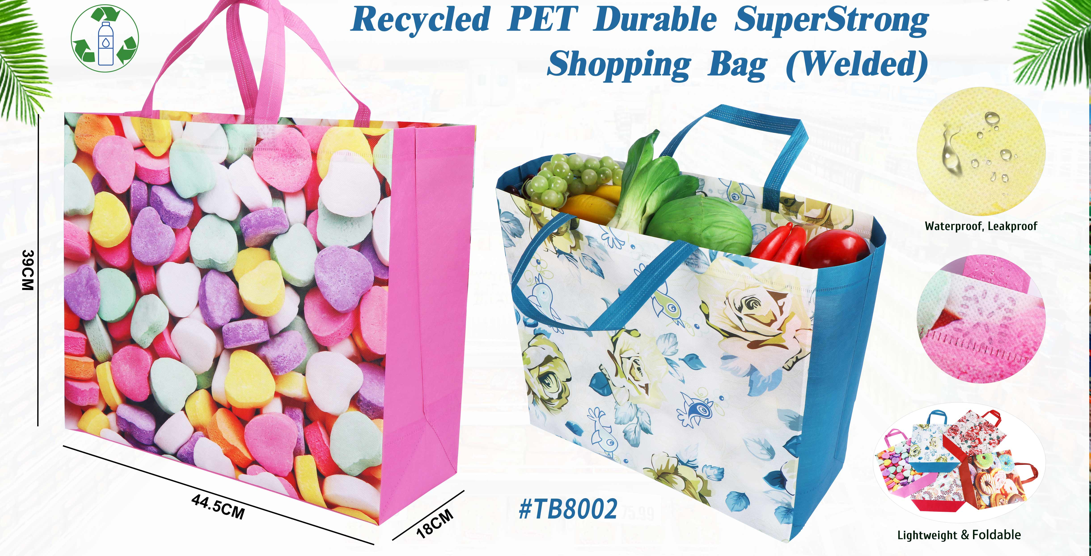
Recycled synthetic fibers have become the mainstream choice in the mid-range market. Recycled nylon, polyester, and other materials have a market share of 42% due to their advantages of lightweight, easy cleaning, and wear resistance. At the same time, natural materials are experiencing a comeback trend. Handbags made from raw materials such as straw weaving, rattan weaving, and organic cotton account for 28% of the spring and summer new product share. Earthy colors such as terracotta and Eden green have become the mainstream color schemes, aligning with the global naturalist aesthetic preference. To address the practicality issues of natural materials, the coverage rate of water-repellent coating technology has reached 65%, enabling handbag items like straw weaving bags to break through scene limitations and adapt to more daily needs.
- Design and Function: Comprehensive Infiltration of Sustainable Concepts
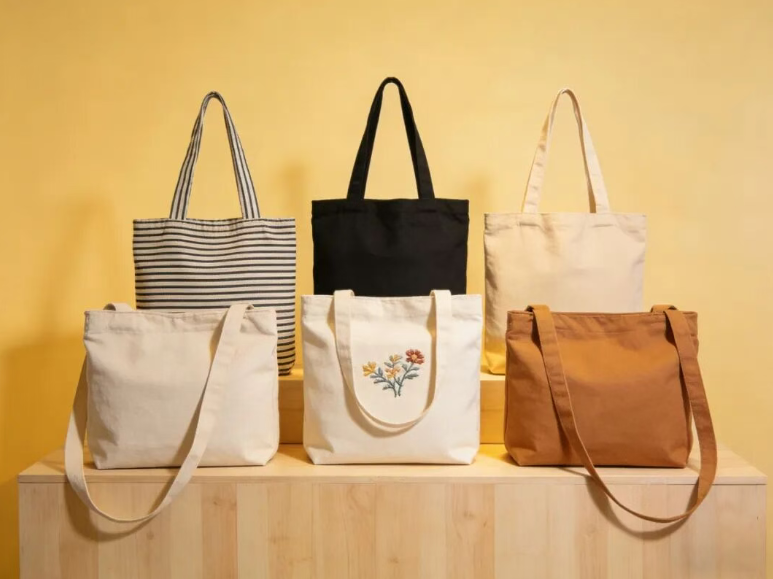
In 2026, handbag design is moving away from the simple assembly of single eco-friendly materials and is instead integrating sustainable concepts with design aesthetics and practical functions. In terms of style, the retro trend of the 1990s collides with the sustainable concept, and classic bag designs which are reinterpreted with modern eco-friendly materials, featuring softer and more fluid lines that replace the traditional rigid structured shapes, combining retro charm with ecological value. Tote bags, as one of the fastest-growing categories, have become the core carrier of sustainable design due to their multi-functionality. Tote bags made of eco-friendly materials are highly favored, meeting the needs of various scenarios such as commuting and shopping, and also aligning with the sustainable consumption concept under minimalism.
In terms of functional innovation, sustainability and intelligence form a synergy. Smart handbags with RFID anti-theft and USB charging interfaces account for 8% of the market. Their average selling price is 30%-50% higher than that of ordinary products, and most are made of recycled materials for the body and accessories. Brands also reduce resource waste through process optimization. 35% of high-end brands adopt deconstruction and patchwork techniques, converting production leftovers into design highlights. At the same time, modular design has become a new trend. Dual-shoulder bags and handbags can switch scenes through detachable components, extending the product's life cycle.
- Consumption and Markets: Reconfiguration of the Pattern Driven by Sustainable Awareness
The upgrading of the consumption group's concepts is the core driving force behind the trend of sustainable handbags, and they incorporate the environmental attributes of products and brand values into their purchasing decisions, driving the continuous expansion of online sales channels. The proportion of handbag sales online is expected to reach 58% in 2026. Social e-commerce platforms such as Douyin and Xiaohongshu have become the core platforms for promoting eco-friendly products. From the perspective of regional markets, the East China region leads with a 38% share, and the growth rate in the lower-tier markets is rapid. The sales growth rate of straw bags in third- and fourth-tier cities has reached 52%, indicating the trend of universal penetration of sustainable fashion.
The brand competition landscape has also been reshaped. International luxury brands have occupied the high-end market by technological innovation and value proposition dissemination. Dior has equipped its eco-friendly handbags with NFC chips for "carbon footprint passports", allowing consumers to trace the entire chain of environmental data, thus reshaping the value system of luxury goods. Local brands focus on cost-effectiveness and scenarios, performing strongly in the mid-to-high-end market, and enhancing product value through GRS (Global Recycled Standard) certification. At the policy level, the "Green Bag Material Standards" promote the popularization of environmental certification labels, and the proportion of compliant products will reach 58% in 2026, accelerating the elimination of small and medium-sized brands and promoting the industry towards standardization and green transformation.
- Conclusion: Sustainability becomes the eternal foundation of fashion.
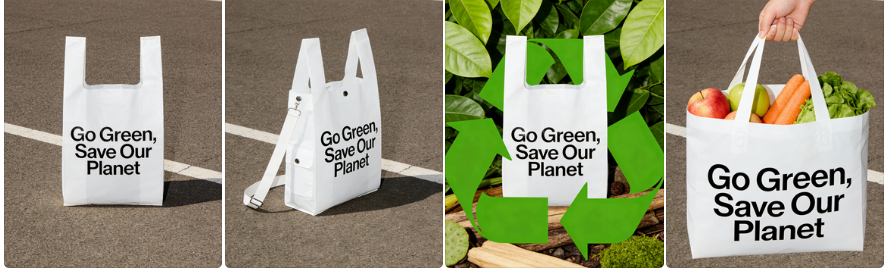
In the handbag market of 2026, sustainability is no longer just a short-term trend; it has become a core principle running through the entire chain of design, production and consumption. From the luxury transformation of grape leather to the widespread adoption of recycled fibers, from the collaborative innovation of intelligent functions to the deep upgrade of consumption concepts, handbags are evolving from accessory items to carriers of sustainable lifestyles. In the future, with the continuous breakthroughs in material technology and the continuous improvement of environmental protection policies, the integration of sustainability and fashion will become even deeper, injecting long-term growth momentum into the industry and providing consumers with more choices that balance aesthetics, functionality and responsibility.
The Legend of Craftsmanship Behind Fashion
Eco-friendly fabrics made from natural fibers
Related Article