Eco-friendly fabrics made from natural fibers
Natural fibers are fibers that are derived directly or indirectly from plants or animals. They have advantages such as being renewable and biodegradable, and are widely used more and more for bags.
The global production of natural fibers is substantial and continuously increasing, making them a crucial material source for bags.
Although the production of synthetic fibers has grown rapidly since the mid-20th century, natural fibers still account for approximately 50% of the total annual production of textile fibers.
01 Main Features
There are many types of natural fibers, but cotton, linen, wool, and silk have been used extensively in textiles for a long time. Cotton and linen are plant fibers, while wool and silk are animal fibers. Asbestos, found in the Earth's crust, is a mineral fiber and an important building material, but it can also be used in textiles. Cotton fiber has the largest production volume and a wide range of uses. It can be used to sew clothes, sheets, quilts, and other daily necessities, and can also be used as a material for canvas and conveyor belts, or to make wadding for insulation and filling. Linen fiber is mostly used to manufacture packaging fabrics and ropes, and some high-quality linen fiber can be used for clothing. Wool and silk are produced in much smaller quantities than cotton and linen, but they are excellent textile raw materials. Wool fibers are used to make woolen fabrics, and silk fibers are used to make satin, which are used to sew clothing that is luxurious and dignified, and is very popular. Among textile fibers, only wool fiber has the property of being pressed into felt. Wool fiber is also the best raw material for making carpets.
The main component of plant fiber is cellulose, also known as natural cellulose fiber. It is obtained from the seeds, fruits, stems, and leaves of plants. Based on the part of the plant from which it grows, it is divided into seed fiber, leaf fiber, and stem fiber.
1. Plant Fibers
Plant fibers primarily originate from the seeds, fruits, and stems of various plants.
Cotton: One of the most commonly used natural fibers, renowned for its softness, breathability, and moisture absorption, suitable for various clothing and home textiles.
Linen: Extracted from the stems of the flax plant, known for its high moisture absorption, durability, and coolness, often used in summer clothing and bedding.
Ramie: A strong plant fiber with high wet strength and abrasion resistance, commonly found in high-end clothing and decorative fabrics.
Jute: Known as the "golden fiber," renowned for its strength and durability, often used to make burlap, ropes, and carpets.
2. Animal Fibers
Animal fibers primarily originate from animal hair or glandular secretions.
Wool: Sheared from sheep, possessing excellent warmth, elasticity, and wrinkle resistance, suitable for winter clothing and sweaters.
Silk: Made from the glandular secretions of silkworms, it is renowned for its luster, softness, and smoothness, and is often used in high-end clothing and accessories.
Camel Hair: Derived from camels, it possesses excellent warmth and lightness, making it suitable for high-end winter clothing.
Cashmere: Derived from the fine hair of goats, it is known for its softness, lightness, and warmth, and is often used to make high-end sweaters and scarves.
3. Regenerated Fibers
Although not directly obtained from nature, regenerated fibers are made through the recycling and reprocessing of waste materials, and can be considered an environmentally friendly alternative to natural fibers.
Bamboo Fiber: Extracted from bamboo through mechanical or chemical methods, it possesses antibacterial, moisture-wicking, and quick-drying properties.
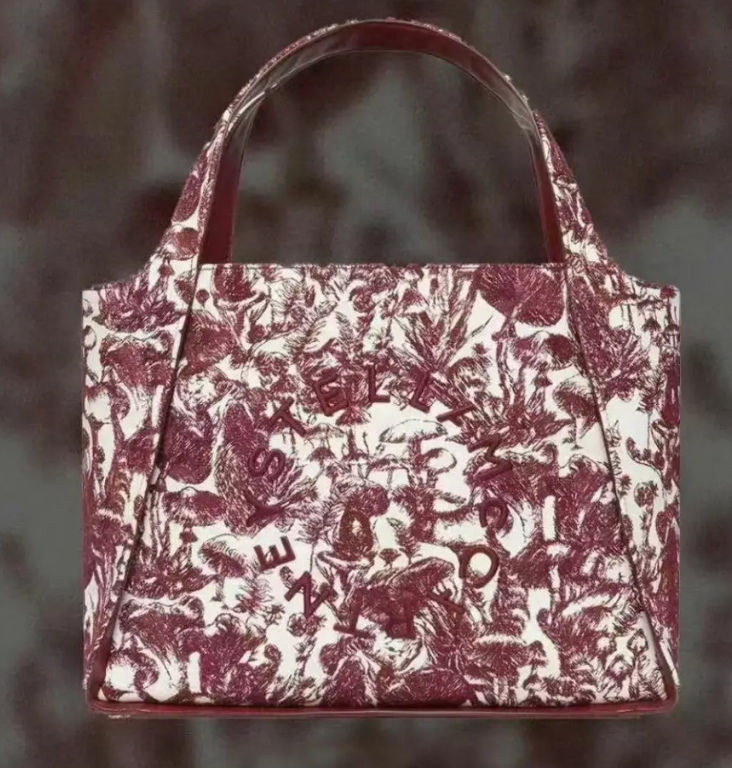
Soy Protein Fiber: Extracted from soybeans, it has good elasticity and softness, and is a new type of environmentally friendly fiber.
4. Special Natural Fibers
Some special types of natural fibers are valued for their unique origin and properties.
- PIÑATEX: Derived from the leaves of the pineapple plant, it is used in specialty textiles due to its abrasion resistance and elasticity.
- BANANATEX
The resulting garments are completely waterproof, making it an ideal material for outerwear such as backpacks, handbags, and jackets.

- Coconut Fiber
Extracted from coconut shells, it is commonly used to make ropes and brushes.
- SYLVANIA
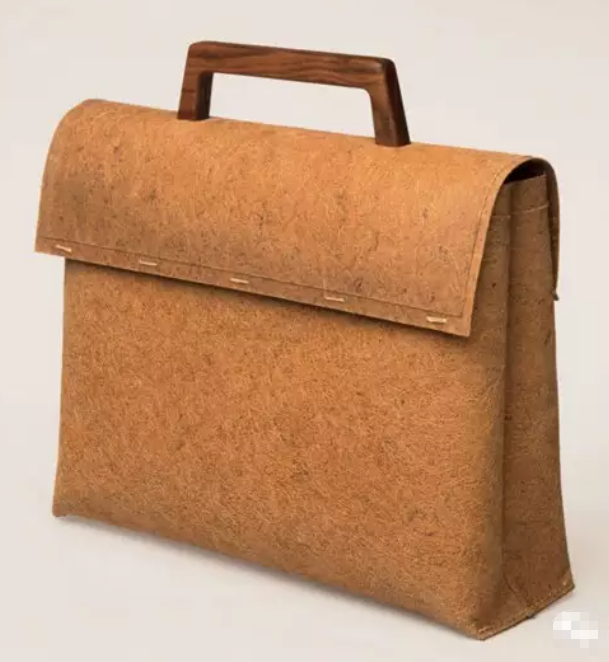
Founded in 2013 and headquartered in California, USA, MYCOWORKS is a biotechnology company that focuses on using synthetic biology and bioengineering techniques to cultivate fungal mycelia to produce bio-based leather.

As the root tissue of fungi such as mushrooms, mycelium is a natural and controllable biomaterial. Mycelium growing in organic waste can be transformed into textured and patterned mycelial leather after simple physical and chemical processing. Compared with animal fur or petrochemical raw materials used in traditional leather production, mycelium has a series of advantages such as short growth cycle, low environmental requirements, and biodegradability.
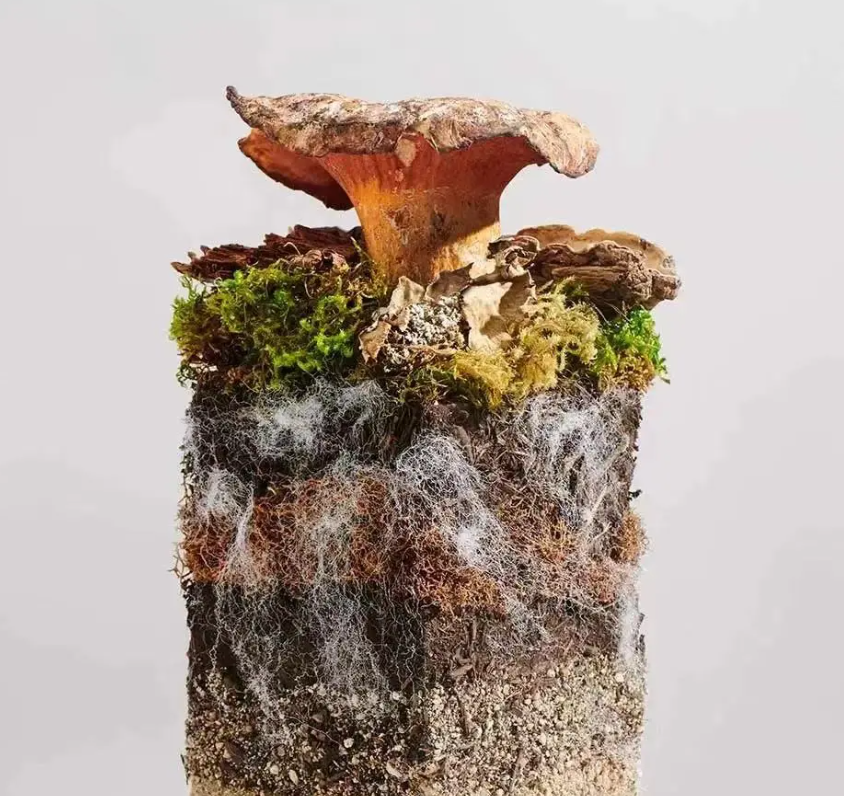
The choice of natural fibers not only affects the comfort and performance of textiles but also relates to environmental sustainability. With increasing environmental awareness, more and more consumers and manufacturers are opting for natural and sustainable fiber materials.
MIRUM
“The company is based on plants, not plastic,” says Luke Haverhals, founder and CEO of Natural Fiber Welding, a company that produces MIRUM, a 100% biodegradable plant-based leather that can replace leather.
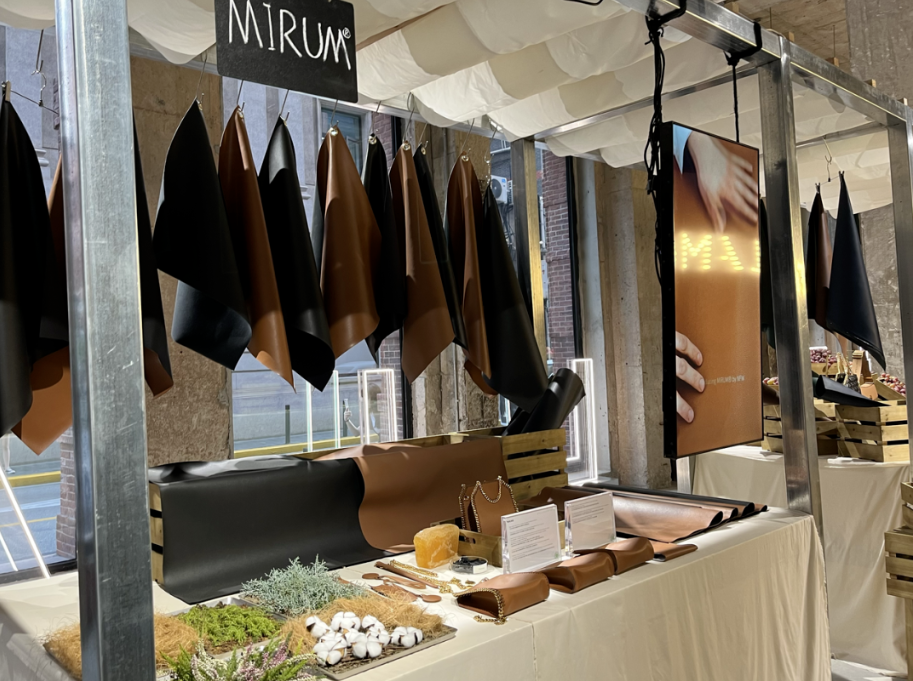
MIRUM's raw materials come from cork, leaves, plant oils, and natural rubber. The manufacturing and dyeing processes do not require water and do not contain any petroleum-based materials, resulting in a 40% reduction in carbon emissions compared to leather.
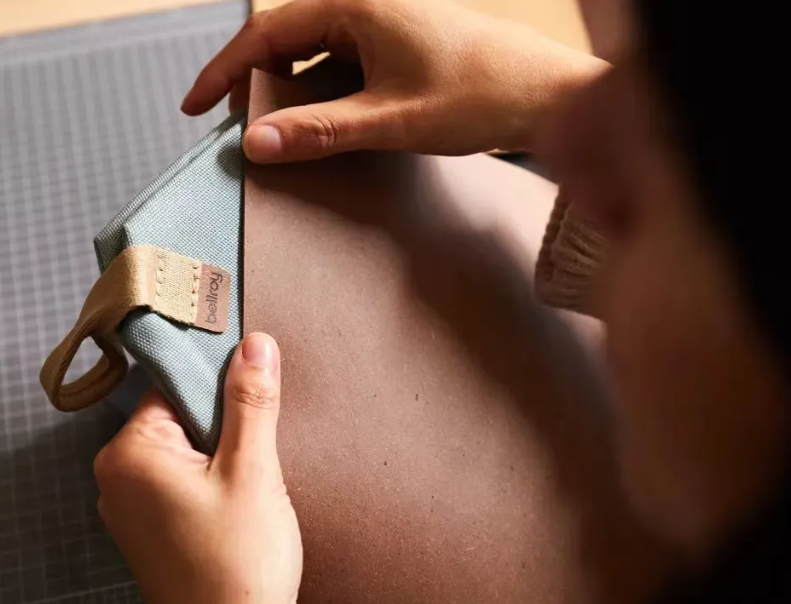
There are many other fabrics such as wine leather, mango leather, and desserto leather, etc. In the future, there will inevitably be more fabrics that combine the properties of animal leather with sustainable development principles. It's worth mentioning that millions of people worldwide work in the apparel, leather goods, and footwear industries; therefore, adopting increasingly environmentally friendly fabrics will have a more and more significant and positive impact on the global environment and human life!
Shopping Bag Trends 2026 Sustainability
How Can Brands Balance Sustainability and Performance in Bag Products?
Related Article