Cooler Bag Functions & FAQs
Insulated bags, as practical household items, play an important role in our daily lives. They not only help us keep food warm, but also meet various needs in different scenarios.
Application of insulated bags in daily diet
In daily life, insulated bags are often used to carry meals. For office workers, they can put their prepared breakfast or lunch, such as steamed buns, fried dough sticks, or boxed lunches, into an insulated bag before leaving home in the morning, so they can still enjoy a warm meal when they arrive at the office or school. The usefulness of insulated bags is even more pronounced when there is no microwave available. They effectively extend the time food stays warm, eliminating the need to eat cold meals during busy work or study periods.
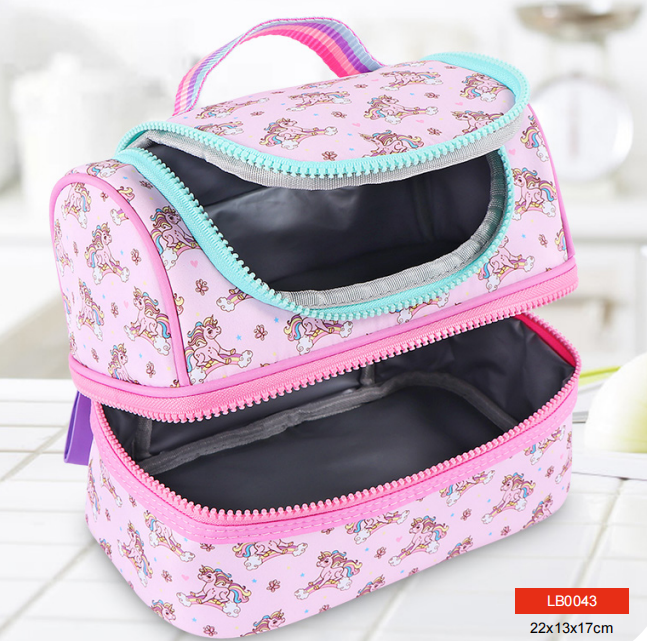
Students can also use insulated bags to bring their lunches to school. Parents can pack their children's nutritious lunches, such as stir-fries and soups, into these bags to ensure they eat hot meals at lunchtime – healthy and delicious. Furthermore, these bags come in various sizes, allowing parents to choose the appropriate size to easily accommodate different sized lunchboxes, even one small and one large round lunchbox at the same time, meeting the needs of different appetites.
The convenience of insulated bags during outdoor picnics
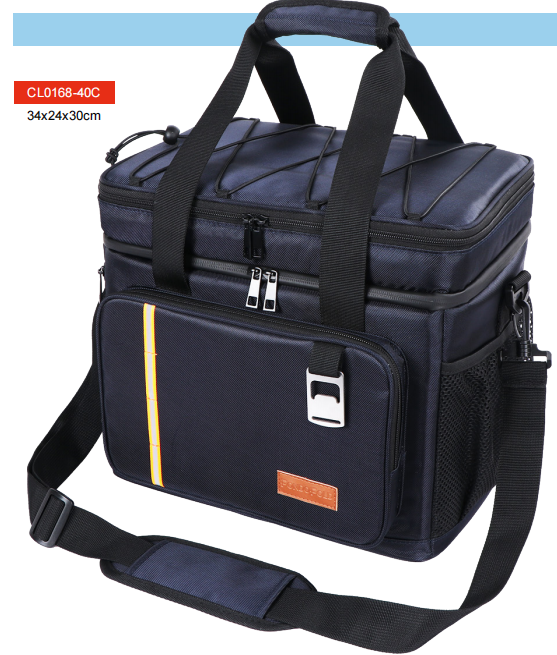
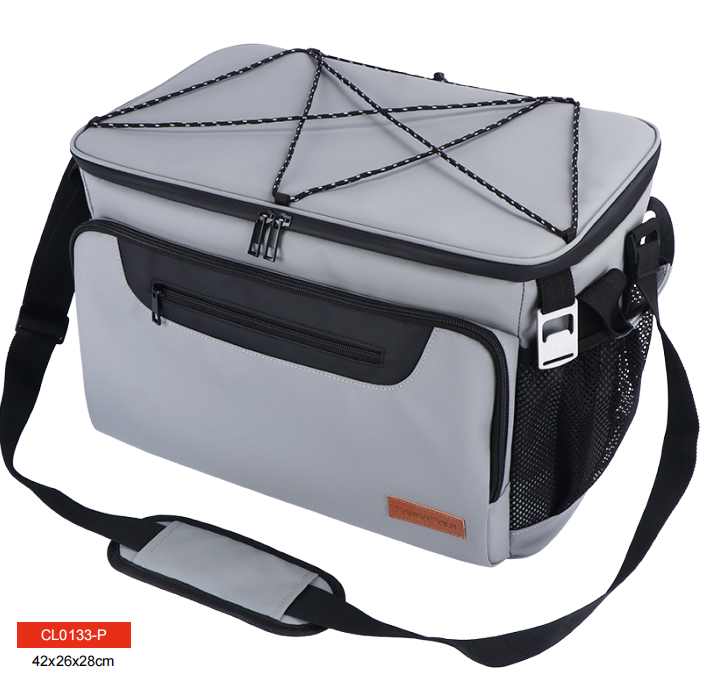
Insulated bags are indispensable for outdoor picnics. People can put various foods and drinks, such as fruits, salads, and beverages, into insulated bags to keep them fresh and cool. Even in the hot summer, you can enjoy chilled drinks at any time, adding to the comfort of your picnic. At the same time, insulated bags also prevent food from being contaminated by the outside world, ensuring food hygiene and safety.
In addition, the portability of insulated bags makes them ideal for outdoor picnics. They are typically small and lightweight, making them easy to carry and store. People can easily put in an insulated bag into a backpack or car trunk and enjoy the fun of an outdoor picnic anytime, anywhere.
Other creative uses for insulated bags
Besides the common uses mentioned above, insulated bags have many creative applications. For example, in winter, some young people keep the insulated bags from milk tea delivery orders and repurpose them into work bags. These bags are usually thick, waterproof, and have attractive designs, making them practical and environmentally friendly for carrying lightweight commuting essentials such as phones, wallets, and keys.
In cold weather, you can line the inside of an insulated bag with a soft mat for your pet to rest in, providing them with a warm and comfortable little space. However, it's important to ensure that the insulated bag is made of non-toxic and harmless materials that will not harm your pet's health.
FAQs about using insulated bags
How long does the insulation effect of an insulated bag last?
The insulation effect varies depending on factors such as the material of the insulated bag, the ambient temperature, and the initial temperature of the contents. Generally speaking, a good quality insulated bag can keep food warm for about 3-4 hours at room temperature, but the insulation time may be shortened if the ambient temperature is too high or too low.
How to clean an insulated bag?
When cleaning insulated bags, first remove any food residue from the inside. Then, gently wipe the bag with a soft cloth dampened with warm water and a neutral detergent. Avoid using brushes or other hard objects to scrub, as this may damage the surface of the bag. After cleaning, rinse thoroughly with clean water and air dry in a well-ventilated place, avoiding direct sunlight.
Can you put hot soup in an insulated bag?
You can use it to hold hot soup, but be sure to seal it tightly to prevent spills. Also, when placing it in an insulated bag, try to avoid letting the soup come into contact with the inner wall of the bag, as this will affect the insulation effect and make cleaning difficult.
Can insulated bags be reused?
Most insulated bags are reusable, but their insulation performance may decrease after multiple uses. If an insulated bag is damaged or has a strong odor, it is recommended to replace it promptly.
How to choose the right insulated bag for yourself?
When choosing an insulated bag, consider its capacity, size, material, and insulation performance. If you need to carry a lot of items, choose a larger capacity insulated bag; if you require higher insulation performance, choose an insulated bag made of better material with a thicker insulation layer.
Can insulated bags be machine washed?
Machine washing of insulated bags is generally not recommended, as it may cause deformation, damage to the insulation layer, or damage to accessories such as zippers. Hand washing is the best method.
What precautions should be taken when using insulated bags?
When using insulated bags, avoid contact with sharp objects to prevent them from being torn. Also, avoid placing excessively heavy items on top of the bags to prevent damage. Furthermore, keep insulated bags dry and clean to prevent moisture and mold growth.
What are the materials used to make insulated bags?
Common materials for insulated bags include non-woven fabric, aluminum foil pearl cotton, Oxford cloth, and polyester. Non-woven fabric insulated bags are relatively inexpensive, lightweight, and easy to use; aluminum foil pearl cotton insulated bags offer good insulation and are waterproof and moisture-proof; Oxford cloth and polyester insulated bags are more durable and wear-resistant.
Can thermal insulation bags be used to keep cold?
Yes, insulated bags can keep things warm or cold. In summer, people can put cold drinks, fruits, etc., into insulated bags and add ice packs or ice cubes to extend their shelf life.
What is the approximate price of an insulated bag?
The price of insulated bags varies depending on factors such as brand, material, and size. Generally speaking, ordinary insulated bags cost around USD5, while some better-branded, higher-quality, and more functional insulated bags may cost over USD20.
Premium Terry Cloth Bags Ideal for Custom Cosmetic Pouches and Shopping Totes
Hot Search Does Not Equal Hot Selling Inventory: Dig Consumer Pain Points Behind Google Trends
Related Article